Regional Disparities in Maternal Blood Parameters During Pregnancy: A Comparative Analysis Across Four Provinces of Pakistan
Samina Rehan1, Samina Naseem Khattak1, Muhammad Irfan Khattak1, Shumaila Hadi2, Sadia Rehman3, Zara Sami3, Khubaib Ahmad3
1Department of Gynaecology, PNS Shifa Hospital, Karachi, 2Mawson Lakes Medical Centre, Mawson Lakes, SA, 3 Department of Gynaecology, Bahria University of Health Sciences, Karachi
Objective: To compare maternal blood parameters—hemoglobin, mean corpuscular volume, and ferritin levels—among pregnant women in Punjab, Sindh, Khyber Pakhtunkhwa, and Balochistan.
Methodology: It was a Cross-sectional Observational study. The study was conducted at four centers in Karachi, Quetta, Kharian and Mardan Pakistan for 1 year from 1St Feb 2022 to 31st Jan 2023. Maternal blood parameters were measured and compared across different regions of Pakistan to identify potential regional differences due to factors such as ethnicity, socio-economic status, and other factors.
Results: The mean hemoglobin levels were 10.95 g/dL in Balochistan, 11.04 g/dL in KPK, 10.82 g/dL in Punjab, and 10.36 g/dL in Sindh. The mean MCV values was 80.56 FL in Balochistan, 79.70 FL in KPK, 77.94 FL in Punjab, and 80.89 FL in Sindh. The mean serum ferritin levels were 16.00 ng/mL in Balochistan, 23.84 ng/mL in KPK, 33.92 ng/mL in Punjab, and 20.93 ng/mL in Sindh.
Conclusion: Overall, the results showed significant variation in the mean values for the different variables across the four provinces. We also noticed that gestational anemia is very common health issue all over Pakistan. This study provides valuable insights into regional differences in maternal blood parameters during pregnancy in Pakistan and may help in the development of regionally targeted interventions to address maternal anaemia.
Keywords: Gestational Anaemia, Pregnancy, Iron Deficiency Anemia, Maternal Health
A significant public health issue that affects millions of pregnant women worldwide is gestational anemia. 1 In accordance to the World Health Organization (WHO), anemia affects over 40% of pregnant women globally, increasing the risk of maternal mortality, premature delivery, low birth weight, and infant death. In accordance to the World Health Organization (WHO), anemia affects over 40% of pregnant women globally, increasing the risk of maternal mortality, premature delivery, low birth weight, and infant death.2 Maternal anemia is more common in Pakistan, where it can be as high as 60% in some areas.2 Iron deficiency, which can be brought on by a poor diet, parasitic infections, blood loss, or genetic disorders, is the main cause of maternal anaemia.3
Measuring maternal blood parameters like haemoglobin (HB), mean corpuscular volume (MCV), and ferritin is one way to diagnose and track maternal anaemia.4 These variables reflect the quantity and quality of iron and red blood cells in the body. Low levels of these parameters suggest iron deficiency anemia, which can reduce the amount of oxygen delivered to the mother's and the foetus' tissues and organs.5,6
Research on regional variations in maternal blood parameters during pregnancy in Pakistan is, however, scarce. Previous research has either used small or unrepresentative samples or has concentrated on urban or rural areas separately.7
Additionally, the majority of studies have only measured HB levels without taking other factors like MCV and ferritin into account.7,8 Therefore, a thorough and comparative analysis of maternal blood parameters across various regions of Pakistan is required.
The objective of this study was to assess regional differences in maternal blood parameters during pregnancy in Pakistan. Specifically, we aim to compare HB, MCV, and ferritin levels among pregnant women from all four different provinces: Punjab, Sindh, Khyber Pakhtunkhwa, and Balochistan. We hypothesize that there may be regional differences in these blood parameters due to differences in dietary intake, socio-economic status, and other environmental factors. This study is of utmost significance as it provides valuable insights into the maternal health status of pregnant women in various regions of Pakistan.
The large sample size and multicenter design makes it a unique study, especially in a country where research on maternal health is sparse. By identifying regional variation in maternal blood parameters, this study can inform targeted interventions to improve maternal and child health outcomes, specifically for the prevention and treatment of Gestational anemia and other adverse pregnancy outcomes. The findings of this study can also contribute to the development of more effective and targeted strategies to promote maternal and child health in Pakistan.
This study was a multicenter cross-sectional study conducted in four different provinces of Pakistan, namely Punjab (CMH Kharian), Sindh (PNS Shifa Karachi), Khyber Pakhtunkhwa (CMH Mardan), and Balochistan (CMH Quetta).
We used the World Health Organization (WHO) sample size calculator to guarantee a sufficient sample size for this investigation. The minimum necessary sample size was determined to be 385 individuals based on a prevalence of anemia among pregnant women in the area of 52% as reported in previous literature 1,8, a level of 95% confidence, and a margin of error of 5%. The sample size calculation was done by factoring in the stratified sampling technique, i.e. sample from 4 strata of provinces However, we aimed to enroll > 500 pregnant women from various hospitals all over Pakistan for potential non-response or loss to follow-up. To guarantee that the sample was representative of the target population, a method of systematic random sampling was used to select it. Every third female coming for antenatal checkup at OPD was recruited. A total of 2040 pregnant women, at least 300 from each province, were recruited for the study. Ethical approval for the study was obtained from the institutional review board, Ethics Committee vide letter (No. JS-1060). The confidentiality and privacy of the study participants was be ensured throughout the study.
The study included pregnant women who were 18 till 40 years old and gave informed consent. The study excluded women who had any of the other conditions such as blood disorders, diabetes, heart disease. The study also excluded women taking iron supplementation, or blood transfusion in the past three months and who did not provide correct information about their socioeconomic status, gestational age, maternal age, or hemoglobin.
A structured online proforma was used to collect data on the demographic characteristics, socio-economic status of study participants. Blood samples was collected from each participant for the measurement of HB, MCV, and ferritin levels. Blood samples was collected by trained phlebotomists using standard techniques and stored in labelled tubes.
The data was entered into a computerized database and analyzed using SPSS version 25. Descriptive statistics, including means, standard deviations, and frequencies, were used to describe the characteristics of the study population. The primary analysis was comparison of HB, MCV, and ferritin levels among pregnant women from the four different provinces using ANOVA and other appropriate statistical tests such as Pearson correlation analysis.
A total of 2040 patients were included in the study. The overall mean age for all participants was 27.89 years (SD=4.816). The Hb(g/dl) level in Balochistan was 10.95 g/dL (SD=1.048), in KPK it was 11.04 g/dL (SD=1.297), in Punjab it was 10.82 g/dL (SD=1.744), and in Sindh it was 10.36 g/dL (SD=1.460). The overall mean hemoglobin level was 10.79 g/dL (SD=1.433). The mean MCV value in Balochistan was 80.56 FL (SD=7.109), in KPK it was 79.70 FL (SD=7.763), in Punjab it was 77.94 FL (SD=8.501), and in Sindh it was 80.89 FL (SD=8.084). The overall mean MCV value was 79.77 FL (SD=7.960). The mean platelet count in Balochistan was 278.47 mcL (SD=76.091), in KPK it was 278.88 mcL (SD=66.823), in Punjab it was 294.23 mcL (SD=84.890), and in Sindh it was 269.53 mcL (SD=79.067). The overall mean platelet count was 280.31 mcL (SD=77.402).
The mean serum ferritin levels in Balochistan were 16.00 ng/mL (SD=12.623), in KPK it was 23.84 ng/mL (SD=15.400), in Punjab it was 33.92 ng/mL (SD=5.89), and in Sindh it was 20.93 ng/mL (SD=21.576). The overall mean serum ferritin level was 26.01 ng/mL (SD=6.910). Table II showed that most participants belonged to the lower socioeconomic class, with 491 individuals
Table I: Analysis of Variance (ANOVA) Results for Selected Health Indicators in Four Regions of Pakistan |
||||
|
|
df |
F |
Sig. |
Age |
Between Groups |
3 |
20.720 |
<0.05 |
|
Within Groups |
2035 |
|
|
|
Total |
2038 |
|
|
Hb g/dl |
Between Groups |
3 |
23.199 |
0.001 |
|
Within Groups |
2021 |
|
|
|
Total |
2024 |
|
|
MCV fL |
Between Groups |
3 |
14.295 |
<0.05 |
|
Within Groups |
2036 |
|
|
|
Total |
2039 |
|
|
MCHC g/dl |
Between Groups |
3 |
10.834 |
0.000 |
|
Within Groups |
2026 |
|
|
|
Total |
2029 |
|
|
TLC /mm3 |
Between Groups |
3 |
59.833 |
0.000 |
|
Within Groups |
2036 |
|
|
|
Total |
2039 |
|
|
Platelet count (mcL) |
Between Groups |
3 |
9.017 |
0.000 |
|
Within Groups |
2031 |
|
|
|
Total |
2034 |
|
|
Serum Ferritin ng/mL |
Between Groups |
3 |
7.384 |
0.000 |
|
Within Groups |
511 |
|
|
|
Total |
514 |
|
|
p-value < 0.05 was considered significant |
||||
(99.2%) in Balochistan, 300 individuals (57.7%) in KPK, 240 individuals (47.1%) in Punjab, and 338 individuals (66.9%) in Sind. Most participants across all provinces, 67.4%, are classified in the lower income bracket. The middle-income bracket comprises 26.6% of the total, while upper income bracket includes only 6.0% of participants. This distribution indicates a significant variance in socio-economic status among the provinces, with Balochistan and Sindh having a higher percentage of lower-income participants compared to Punjab and KPK, which show a more even distribution across socio-economic classes.
Table II: Pregnant Women's Socioeconomic Profile in Different Regions of Pakistan |
|||||
Socio-Economic Class |
Balochistan |
KP |
Punjab |
Sindh |
Total |
Lower (Rs < 50,000/month) |
491 (99.2%) |
300 (57.7%) |
240 (47.1%) |
338 (66.9%) |
1369 (67.4%) |
Middle (Rs 51,000-100,000/month) |
2 (0.4%) |
195 (37.5%) |
215 (42.2%) |
127 (25.1%) |
539 (26.6%) |
Upper (Rs > 100,000/month) |
2 (0.4%) |
25 (4.8%) |
55 (10.8%) |
40 (7.9%) |
122 (6.0%) |
Total |
495 (100%) |
520 (100%) |
510 (100%) |
505 (100%) |
2030 (100%) |
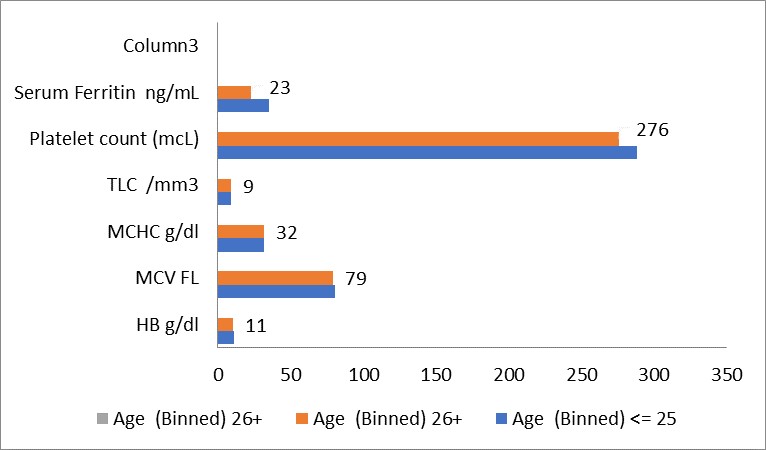
Figure 1: Age group comparison of blood parameters
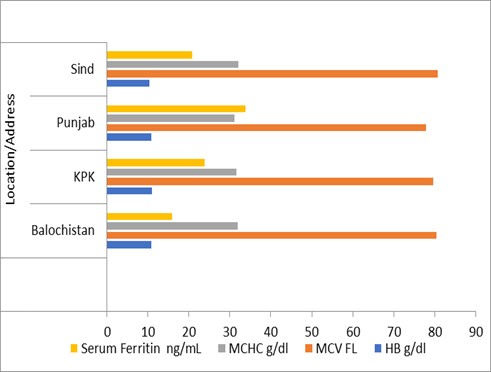
Figure 2: Comparison of four provinces of Pakistan (Blood parameters in pregnancy)
Although a few previous studies have been carried out on gestational anemia, they have been limited by various factors. Mostly they were carried out in single center resulting in failure to represent the whole of Pakistan. Moreover there were questions on applicability of their results as regional differences between blood parameters in various parts of Pakistan does exist.9,10,11 The first mentionable study is titled “Gestational Anemia and its effects on neonatal outcome, in the population of Hyderabad, Sindh, Pakistan” by Tazeen Shah et al.12
The purpose of this study was to determine the impact of gestational anemia on perinatal outcomes in the Hyderabad, Sindh, Pakistan population. A cross-sectional study was conducted in Hyderabad, Sindh, Pakistan, to assess the impact of gestational anemia on perinatal outcomes. There were 400 women in the population. This study's strength was that it focused on perinatal outcomes as well, while its shortcoming was that it only focused on one region. The population size was modest. However, prevalence of anemia was very high in pregnancy> 50% as was the case in our study. We conducted an Analysis of Variance (ANOVA) to determine the significance of any differences observed in the mean values for different variables across the four provinces. The results of the ANOVA test show that all six blood parameters (age, hemoglobin (HB), mean corpuscular volume (MCV), mean corpuscular hemoglobin concentration (MCHC), total leukocyte count (TLC), and platelet count) were significantly affected by location/address. Overall, the results show differences in the mean values for the different variables across the four provinces, although it is important to note that there is some overlap in the confidence intervals for the means, suggesting that some of these differences may not be statistically and clinically significant. Younger women (≤ 25 years) exhibited better hematological health markers with higher hemoglobin, MCV, and serum ferritin levels compared to older women. This suggests that younger women might have better nutritional status or fewer pre-existing health conditions affecting these parameters. Primigravida women had slightly higher hemoglobin and serum ferritin levels compared to multigravida women. This might indicate that multiple pregnancies could deplete iron stores and affect hemoglobin levels, emphasizing the need for targeted nutritional interventions for multigravida women. Blood parameters decreased as gestational age progressed. Hemoglobin, MCV, and serum ferritin levels were highest in the first trimester and gradually decreased in the second and third trimester. This trend highlights the increasing demand for iron and nutrients as pregnancy progresses, underscoring the importance of monitoring and supplementing maternal nutrition throughout pregnancy to prevent gestational anemia and ensure optimal maternal and fetal health. These findings emphasize the need for tailored interventions considering age, gravidity, and gestational age to effectively manage and prevent gestational anemia in pregnant women across different regions of Pakistan. In comparison, the study by Azmat Ullah et al.13 conducted bivariate analysis and multivariable logistic regression to determine the factors associated with maternal anemia. Their bivariate analysis revealed that maternal anaemia was substantially associated with lower education, housewife occupation, lower income, rural residence, and a larger number of house members. Their multivariable logistic regression analysis, however, revealed that low income was the only significant predictor that was independently related with maternal anaemia. Both studies used the same statistical tests to analyze their data and determine significant associations. However, the specific tests used, and the variables analyzed were different between the two studies. Prevalence of anemia in pregnancy was again very high I, e >50%, like ours. Rehmanullah et al., 14 also addressed the similar issue in a meta-analysis. His research sought to quantify the pooled prevalence of anaemia, the relationship between maternal anaemia and pregnancy outcomes, and the population-attributable percentage (PAF) of these outcomes caused by anaemia in low- and middle-income countries. It employed a systematic review and meta-analysis design, with 29 articles included in the systematic review and 26 research included in the meta-analysis. The study discovered that 42.7% of women in low- and middle-income countries encountered anemia during pregnancy, and that pregnant women with anemia had considerably greater odds of low birth weight, preterm birth, perinatal mortality, and neonatal mortality.14
Advantage of using a systematic review and meta-analysis, which allows for a comprehensive summary of existing evidence. To find relevant papers, a rigorous search method was adopted, and a meta regression and stratified analysis were done to analyze the effects of study and participant variables on unfavorable pregnancy risk. However, the study's reliance on existing studies may limit the generalizability of the findings to other populations, and the heterogeneity of the included studies may affect the validity of the pooled estimates. A similar study from India by Vindhya et al 15 reported very high prevalence of gestational anemia. Both studies sought to learn how common anemia is in expectant mothers. In Pakistan, our study compared the hemoglobin (HB), mean corpuscular volume (MCV), and ferritin levels of pregnant women from four different provinces. The aim of the Vidhya et al. study, which was carried out in Bangalore, India, was to examine the prevalence of anemia and its risk factors among pregnant patients who were visiting a public hospital. The methodology used in the two studies was one of the main differences. our study compared maternal blood parameters in various parts of Pakistan to look for any potential regional variations brought on by issues like socioeconomic status and ethnicity. The outcomes are yet another distinction. Their reported prevalence of anemia was 33% compared to our study at around 50%. Both studies sought to learn how common anemia is in expectant mothers in this region of Asia. In Pakistan, our study compared the hemoglobin (HB), mean corpuscular volume (MCV), and ferritin levels of pregnant women from four different provinces. Similar results have been reported from other Asian countries. 15,16 But our study stands out among all these studies as all of them were single center studies and represented a small portion of population. From developed nations like China ,Canada and UK the reported incidence of gestational anemia is very low 17,18. This clearly implicates the need for urgent attention and intervention for this immense problem in our region.
The cross-sectional design used in our study does not allow for causality to be established between the factors studied and maternal anemia. Some of the data collected in our study, such as income and education level, were self-reported by participants, which may have introduced bias or measurement error.
This study highlights significant regional disparities in maternal blood parameters among pregnant women in Pakistan, indicating the need for region-specific health interventions. Younger women and primigravida exhibited better hematological markers, while parameters declined with advancing gestational age. These findings underscore the importance of tailored nutritional support and continuous monitoring to prevent and manage gestational anemia, thereby improving maternal and fetal health outcomes across different regions and demographic groups in Pakistan.
- Sulhariza HZ, Zalilah MS, Geeta A. Maternal hemoglobin change from early pregnancy to second trimester is associated with risk of gestational diabetes mellitus: a retrospective cohort study. Frontiers in Nutrition. 2023 Jun 15;10:1197485. https://doi.org/10.3389/fnut.2023.1197485
- Punnose J, Malhotra RK, Sukhija K, Rijhwani RM, Choudhary N, Sharma A, Vij P, Bahl P. Is HbA1c in the first trimester associated with adverse outcomes among pregnant Asian Indian women without gestational diabetes?. Journal of Diabetes and its Complications. 2022 May 1;36(5):108187. https://doi.org/10.1016/j.jdiacomp.2022.108187
- Hernández-Vásquez A, Azañedo D, Antiporta DA, Cortés S. Spatial analysis of gestational anemia in Peru, 2015. Rev Peru Med Exp Salud Publica. 2017;34:43–51. https://doi.org/10.17843/rpmesp.2017.341.2707
- Kusfa IU, Mamman AI, Shehu MS, Abdulkadir I, Ibrahim IN, Waziri AD, Awwalu S, Suleiman AM, Muktar HM, Dahiru T. Maternal predictors of blood transfusion among neonates in the Neonatal Intensive Care Unit of Ahmadu Bello University Teaching Hospital Zaria, Nigeria. Nigerian Journal of Basic and Clinical Sciences. 2019 Jul 1;16(2):103. https://doi.org/10.4103/njbcs.njbcs_18_19
- Sun Y, Shen ZZ, Huang FL, Jiang Y, Wang YW, Zhang SH, et al. Association of gestational anemia with pregnancy conditions and outcomes: A nested case-control study. World J Clin Cases [Internet]. 2021 Sep 26 [cited 2021 Oct 23];9(27):8008–19. https://www.ncbi.nlm.nih.gov/pmc/articles/PMC8462208/ https://doi.org/10.12998%2Fwjcc.v9.i27.8008
- Baig-Ansari N, Badruddin SH, Karmaliani R, Harris H, Jehan I, Pasha O, et al. Anemia prevalence and risk factors in pregnant women in an urban area of Pakistan. https://doi.org/10.1177/156482650802900207
- Mahmood T, Rehman AU, Tserenpil G, Siddiqui F, Ahmed M, Siraj F, et al. The Association between Iron-deficiency Anemia and Adverse Pregnancy Outcomes: A Retrospective Report from Pakistan. Cureus [Internet]. 2019 Oct 7 [cited 2023 May 4];11(10). https://doi.org/10.7759/cureus.5854
- Vehra S, Qureshi EMA, Ahmad F. Effect of socio-demographic and gestational status on the development of iron deficiency anemia in pregnant women. Pak J Nutr [Internet]. 2012 [cited 2023 May 4];11(7):545–9. Available from: https://www.cabdirect.org/globalhealth/abstract/20123198415 https://doi.org/10.3923/pjn.2012.643.647
- Fakharunissa AS. Effectiveness of Pregnancy Awareness and its Outcomes in Women of Rural Areas of Pakistan, A Clinical Based Study. Pak J Med Health Sci [Internet]. 2022 Apr 17 [cited 2023 May 4];16(03):465–465. https://doi.org/10.53350/pjmhs22163465
- Lone FW, Qureshi RN, Emanuel F. Maternal anaemia and its impact on perinatal outcome. Trop Med Int Health [Internet]. 2004 [cited 2023 May 4];9(4):486–90. Available from: https://onlinelibrary.wiley.com/doi/abs/10.1111/j.1365-3156.2004.01222.x
- Mazumder H, Islam KF, Rahman F, Gain EP, Saha N, Eva IS, Shimul MM, Das J, Hossain MM. Prevalence of anemia in diabetes mellitus in South Asia: A systematic review and meta-analysis. Plos one. 2023 May 10;18(5):e0285336. https://doi.org/10.1371/journal.pone.0285336
- Shah T, Khaskheli MS, Ansari S, Lakhan H, Shaikh F, Zardari AA, et al. Gestational Anemia and its effects on neonatal outcome, in the population of Hyderabad, Sindh, Pakistan. Saudi J Biol Sci. 2022 Jan;29(1):83–7. https://doi.org/10.1016/j.sjbs.2021.08.053
- JUllah A, Sohaib M, Saeed F, Iqbal S. Prevalence of anemia and associated risk factors among pregnant women in Lahore, Pakistan. Women Health. 2019 Jul;59(6):660–71. https://doi.org/10.1080/03630242.2018.1544966
- Rahman MM, Abe SK, Rahman MS, Kanda M, Narita S, Bilano V, et al. Maternal anemia and risk of adverse birth and health outcomes in low- and middle-income countries: systematic review and meta-analysis1,2. Am J Clin Nutr [Internet]. 2016 Feb 1 [cited 2023 May 1];103(2):495–504. Available from: https://doi.org/10.3945/ajcn.115.107896
- Vindhya J, Nath A, Murthy GVS, Metgud C, Sheeba B, Shubhashree V, et al. Prevalence and risk factors of anemia among pregnant women attending a public-sector hospital in Bangalore, South India. J Fam Med Prim Care [Internet]. 2019 Jan [cited 2023 May 4];8(1):37–43. Available from: https://www.ncbi.nlm.nih.gov/pmc/articles/PMC6396586/
- Ahmed RH, Yussuf AA, Ali AA, Iyow SN, Abdulahi M, Mohamed LM, et al. Anemia among pregnant women in internally displaced camps in Mogadishu, Somalia: a cross-sectional study on prevalence, severity and associated risk factors. BMC Pregnancy Childbirth. 2021 Dec 14;21(1):832. https://doi.org/10.1186/s12884-021-04269-4
- Li H, Xiao J, Liao M, Huang G, Zheng J, Wang H, et al. Anemia prevalence, severity and associated factors among children aged 6–71 months in rural Hunan Province, China: a community-based cross-sectional study. BMC Public Health [Internet]. 2020 Jun 23 [cited 2023 May 4];20(1):989. Available from: https://doi.org/10.1186/s12889-020-09129-y
- Bencaiova G, Burkhardt T, Breymann C. Anemia—prevalence and risk factors in pregnancy. Eur J Intern Med [Internet]. 2012 Sep 1 [cited 2021 Nov 2];23(6):529–33. https://doi.org/10.1016/j.ejim.2012.04.008

An Official Publication of
Islamabad Medical & Dental College
Volume 13 Issue 2
Address of Correspondence
Sadia Rehman
Email:
dr.sadia89@hotmail.com
Authors’ Contribution: 1,2Conception; Literature research; manuscript design and drafting; 3,4,5 Critical analysis and manuscript review; 6,7Data analysis; Manuscript Editing.
Cite this article. Rehan S, Khattak SN, Khattak MI, Hadi S, Rehman S, Sami Z, Ahmad K. Regional Disparities in Maternal Blood Parameters during Pregnancy: A Comparative Analysis across Four Provinces of Pakistan. J Islamabad Med Dental Coll. 2024; 13(2): 203-209.
DOI: https://doi.org/10.35787/jimdc.v13i2.1037